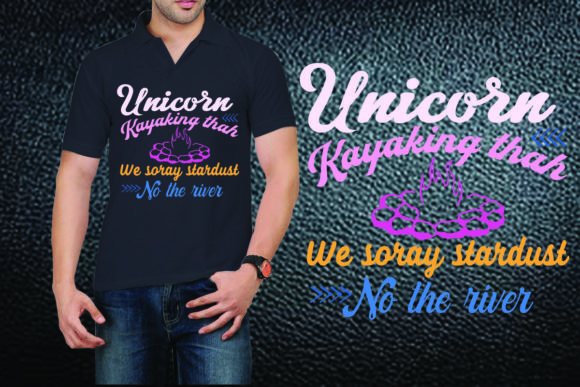
Kayaking T-Shirt Design: A Designer’s Embroidery Review
As an embroidery designer who has spent years digitizing files and critiquing finished products for small business owners, I approach every new machine embroidery design with a mix of curiosity and skepticism. We all know that what looks vibrant on a digital screen does not always translate perfectly to thread and fabric. Today, I am taking a close look at the Kayaking,t-shirt,design,kayaking,t-shirt graphic to evaluate its potential for real-world application. This is not just about aesthetics; it is about functionality, stitchability, and commercial viability for your craft business.
First Impressions: Mood and Visual Personality
The first thing that strikes me about this Graphics asset is its energetic yet relaxed vibe. The theme immediately evokes outdoor adventure, water sports enthusiasm, and a love for nature. For a designer, the layout appears balanced, which is crucial when converting a flat image into a textured embroidery file. The visual personality suggests movement, likely capturing the dynamic action of paddling or the serene moment of floating on calm waters. This mood makes it an excellent candidate for lifestyle branding, appealing to customers who value active, outdoorsy aesthetics.
When I visualize this as a T-Shirt Designs element, I see it working best on casual wear. It does not scream "corporate uniform"; instead, it whispers "weekend warrior." This distinction is vital for Etsy sellers and boutique owners who need to match their product offerings with the right target audience. The design’s clarity suggests that it relies on strong shapes rather than overly intricate micro-details, which is a positive sign for embroidery durability.
Real-World Application: From Screen to Stitch
To truly test the value of Kayaking,t-shirt,design,kayaking,t-shirt, I imagine a specific scenario: a custom order for a local kayaking club’s annual retreat. The client wants matching custom apparel that feels professional but fun. Here is how I would approach using this design in a practical embroidery project.
For a standard cotton t-shirt, this design would serve as a striking chest logo or a larger back print. If the original graphic includes bold lines, they would translate well into satin stitch borders, providing definition against the fabric. For larger filled areas, a fill stitch pattern would add texture and weight, making the design feel substantial and high-quality. However, if the design is intended for a tote bag design, the considerations change. Canvas fabric is thicker and more textured, requiring higher stitch density to ensure the design does not get lost in the weave.
I also see potential for this graphic on a sweatshirt embroidery project. Hoodies and crewnecks are staples for outdoor enthusiasts. The softness of fleece pairs nicely with embroidered graphics, provided the backing is handled correctly. A heavy cut-away stabilizer would be essential here to prevent the weight of the threads from pulling the fabric out of shape. For a personalized gift, such as a birthday present for an avid paddler, adding a name beneath the kayaking motif could elevate the perceived value significantly.
Navigating Technical Challenges
While the aesthetic appeal is strong, we must address where caution is needed. Not every surface is suitable for every digital embroidery file. If you plan to use this on a curved surface like a cap, you must consider the hoop size and the distortion that occurs during stitching. Complex curves in the kayak illustration might require careful digitizing adjustments to maintain proportion. If the design includes tiny lettering or fine details, these may blur when stitched on textured fabrics like towels or rough linen.
Another critical factor is fabric color. If you are stitching on dark fabric, you must ensure that the thread colors chosen provide sufficient contrast. A light-colored kayak on a navy blue shirt works beautifully, but subtle shading might disappear. I always recommend testing the design on scrap fabric first. This allows you to check for thread breaks, tension issues, and overall visual clarity before committing to the final finished product. Additionally, if the design is dense, it may feel stiff on lightweight materials. In such cases, reducing stitch count or using a lighter weight thread can improve the hand-feel of the garment.
Commercial Viability for Small Shops
For Etsy sellers and small shop owners, the versatility of Kayaking,t-shirt,design,kayaking,t-shirt is a major selling point. It fits seamlessly into niches like holiday gifts for Father’s Day, summer vacation souvenirs, or team merchandise for local clubs. When creating printable mockup images for your online store, ensure that the digital representation matches the realistic texture of embroidery. Customers appreciate transparency; showing close-up shots of the actual stitching builds trust and reduces return rates.
This design can also be adapted for an embroidered patch. Patches are trending in the handmade community, offering a removable option for jackets and bags. If the design has a clear outline, it can be easily converted into a merrowed-edge patch. This expands your product line without requiring entirely new design assets. Furthermore, using this graphic on home decor items like pillow covers or kitchen towels can attract buyers looking for themed holiday embroidery or nursery decor, although the latter would depend on the specific style of the kayak illustration.
Practical Designer Notes for Best Results
Before you purchase or begin stitching, keep these professional tips in mind to maximize the quality of your work:
- Check Licensing: Always confirm whether the design assets allow for commercial use. If you plan to sell finished items, ensure your license covers commercial embroidery production.
- Test on Various Fabrics: Stitch a sample on cotton, polyester, and fleece to see how the fabric texture affects the outcome. What looks good on one material may pucker on another.
- Review Stitch Density: High density can cause puckering on thin fabrics. Adjust your stabilizer choice accordingly—use tear-away for stable woven fabrics and cut-away for knits.
- Contrast is Key: Use a black and white mockup to check if the design holds its shape without color. If the details vanish in grayscale, they may be too fine for embroidery.
- Hoop Size Compatibility: Verify that the design fits within your machine’s maximum hoop size. If it is too large, you may need to split the design or resize it, which could affect detail clarity.
In conclusion, Kayaking,t-shirt,design,kayaking,t-shirt offers a compelling blend of thematic appeal and practical utility. For the experienced designer, it presents a straightforward canvas for showcasing stitching skills, while for the beginner, it offers a forgiving structure that rewards careful preparation. By understanding the interplay between thread, fabric, and technique, you can transform this digital graphic into a standout handmade product that resonates with customers and enhances your brand’s reputation for quality.