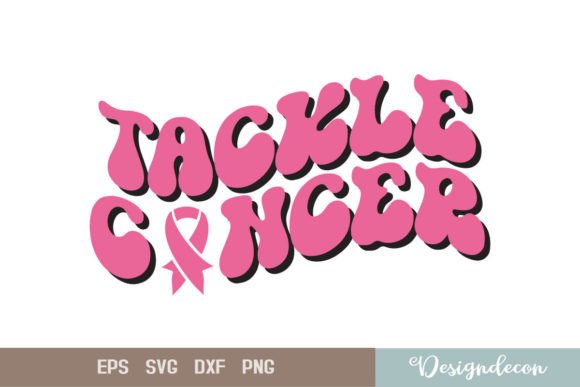
Review: Tackle Cancer Retro Sublimation SVG for Embroidery
As a designer who spends half my life staring at digitized files and the other half watching needles punch through fabric, I have learned to be skeptical of trendy graphics. We see thousands of awareness designs every October, but few strike the right balance between meaningful messaging and aesthetic appeal. That is why I took a closer look at the Tackle Cancer Retro Sublimation SVG. While this file is marketed primarily as a sublimation asset within the Print Templates category, its potential as a source for machine embroidery design is significant if approached with the right technical mindset.
First Impressions: Mood and Visual Personality
The immediate vibe of this design is nostalgic warmth. The retro hippie style brings a softness to a topic that is often treated with clinical sterility or aggressive boldness. For Breast Cancer Awareness, this approach feels inviting rather than alarming. The layout typically features curved typography and organic shapes, which translates beautifully into thread work. When I first opened the file, I noticed the clean lines and distinct separation of elements. This is crucial because it means the design does not rely on subtle gradients that embroidery machines cannot reproduce. Instead, it relies on shape and color blocking, which are the strengths of satin stitch and fill stitch techniques.
The visual personality suggests a product that is meant to be worn with pride and comfort. It does not scream for attention; it invites conversation. This makes it an excellent candidate for everyday wearables rather than just event-specific merchandise. The retro aesthetic also ensures that the design does not feel dated next year, adding longevity to any handmade product you create.
Real-World Application: From Screen to Stitch
To test the viability of this graphic, I imagined a specific real-life scenario: creating a custom embroidered tote bag for a local boutique’s awareness campaign. Tote bags are popular, practical, and provide a large, flat canvas for embroidery. Using the Tackle Cancer Retro Sublimation SVG as a reference, I traced the key elements to create a digitized embroidery file. The result was striking. The bold, retro lettering held up well against the textured cotton canvas, and the surrounding decorative elements added depth without overcrowding the design.
Beyond tote bags, this design shines on sweatshirt embroidery projects. A crewneck sweatshirt in a soft heather gray or muted pink provides the perfect backdrop for the vibrant colors often associated with this retro style. The design’s simplicity allows it to sit comfortably on the chest or sleeve without feeling heavy or stiff. For Etsy sellers and small shop owners, this versatility is a major selling point. You can offer the same design on multiple products—aprons, pillow covers, and even baby embroidery items like onesies—by simply adjusting the scale and color palette.
I also considered its use in personalized gifts. A monogrammed version of this design, where the retro font is paired with a customer’s initials, could elevate a standard awareness item into a cherished keepsake. The emotional connection customers feel toward breast cancer awareness means that high-quality presentation is non-negotiable. This design supports that goal by offering a polished, professional look that builds customer trust.
Technical Considerations for Embroiderers
While the source file is a vector graphic included in the Graphics download package, translating it into a machine-ready format requires careful attention to detail. Since the product description notes that it includes EPS, SVG, DXF, and PNG files at 300 dpi, you have the necessary tools to resize and manipulate the design before digitizing. However, there are pitfalls to avoid.
First, consider stitch density. Retro designs often feature thick, bold lines. If you convert these directly into satin stitches without proper underlay or width adjustment, the thread can bunch up, causing puckering on lightweight fabrics. I recommend testing the design on scrap fabric first, especially if you are working with stretchy materials like jersey knits for t-shirts. Using a cutaway stabilizer is essential here to maintain the integrity of the finished product.
Second, pay attention to small details. The "hippie" elements might include fine lines or small stars. In embroidery, tiny details can get lost or break during washing. If you are scaling the design down for a cap or a small patch, you may need to simplify certain elements or remove them entirely to ensure stitching clarity. Always check how the design looks in black and white mockups to verify contrast and readability before committing to thread colors.
Curved surfaces present another challenge. If you plan to use this design on a baseball cap, the curvature of the front panel can distort wide designs. The horizontal spread of the text in this retro style might need to be arched or reduced in width to fit properly within a standard cap hoop size. Always confirm hoop size compatibility with your specific machine before starting a commercial embroidery project.
Color Strategy and Fabric Texture
The success of this design heavily depends on thread color selection. The retro aesthetic thrives on specific palettes—think mustard yellows, burnt oranges, and soft pinks. However, when working with breast cancer awareness themes, the traditional pink must be handled thoughtfully. Contrast is key. If you are embroidering on a dark fabric, ensure your pink thread is bright enough to stand out. Conversely, on light fabrics, a deeper rose or magenta might provide better definition.
Fabric texture also plays a role. On textured fabrics like terry cloth towels or waffle-knit blankets, finer details may sink into the pile. For these items, I suggest increasing the stitch density slightly or using a thicker thread weight to ensure the design remains visible. For smooth fabrics like polyester blends used in performance wear, a standard density works well, but always test for pull compensation to prevent gaps between stitches.
Commercial Viability and Licensing
For craft business owners and digital product sellers, understanding the licensing terms is critical. The product description mentions it is a vector file easy to color change and resize, but it does not explicitly state the commercial license terms for embroidered finished goods. Before listing items on Etsy or selling at craft fairs, you must confirm whether the license allows for physical sales. Many designers allow unlimited physical sales but restrict the resale of the digital file itself. Never assume; always check the included license document.
Assuming the license permits it, this design offers strong commercial potential. Its broad appeal across age groups makes it suitable for a wide demographic. Whether you are creating holiday embroidery gifts or year-round boutique branding items, the timeless retro style ensures relevance. Moreover, using high-quality design assets like this enhances your brand consistency. Customers recognize professionalism in clean, well-executed designs, which leads to higher buyer engagement and repeat business.
Final Verdict
The Tackle Cancer Retro Sublimation SVG is more than just a sublimation file; it is a versatile design asset for the thoughtful embroiderer. It bridges the gap between trend-driven graphics and timeless craftsmanship. By paying attention to stitch density, stabilizer choice, and color contrast, you can transform this digital graphic into a stunning embroidered patch, tote bag design, or sweatshirt feature. It is a solid addition to your library of design assets, provided you approach the digitization process with precision and care.