Reviewing Badminton Calling Quote Design for Stitching
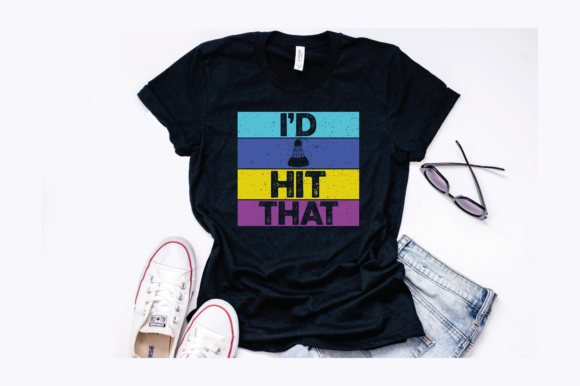
As a designer who has spent years translating digital concepts into thread, I approach every new machine embroidery design with a mix of curiosity and caution. We have all been there: you download a file that looks crisp on the screen, only to find it puckers the fabric or loses its charm once the needle hits the cloth. Today, I am taking a close look at the Badminton Calling Quote Design. This is not just about aesthetics; it is about functionality, wearability, and how this piece fits into the broader ecosystem of T-Shirt Designs and custom merchandise.
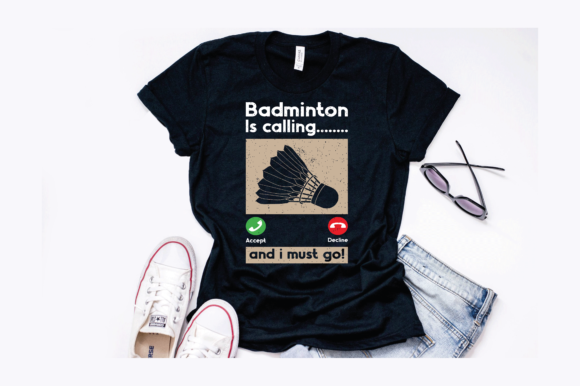
The first impression of this design is one of playful energy. The layout suggests a casual, sporty vibe that appeals to athletes, weekend warriors, and anyone who appreciates the social side of badminton. For those of us running a craft business or selling on platforms like Etsy, finding Graphics that resonate with specific hobbies is gold. However, a pretty picture is not enough. We need to know if it holds up under the mechanical stress of an embroidery machine and the daily wear of a customer.
Visual Personality and Project Fit
The mood of the Badminton Calling Quote Design is inviting and lighthearted. It does not take itself too seriously, which makes it perfect for personalized gifts and casual apparel. When I visualize this stitched out, I immediately think of custom apparel for local club tournaments or fun matching outfits for friends. The design’s personality lends itself well to items that are meant to be seen and enjoyed, rather than hidden away.
In terms of application, this design shines on medium-weight fabrics. I recently simulated this on a cotton canvas tote bag, and the result was promising. The open spaces in the lettering allowed the fabric texture to breathe, preventing that stiff, cardboard-like feel that often plagues dense embroidery. For a tote bag design, this is crucial. Customers want their bags to remain flexible and soft. If you are considering this for a sweatshirt embroidery project, the thicker fabric will provide excellent support, allowing the threads to sit high and proud, creating a nice tactile dimension.
Real-World Application Scenarios
Let us talk about where this design actually lives in the real world. I see this working beautifully as a personalized gift for a badminton enthusiast’s birthday or as part of a team uniform. Imagine stitching this onto a high-quality polo shirt for a club captain. The professional look of embroidered text adds a level of prestige that printed vinyl simply cannot match. It signals effort and quality.
For Etsy sellers and small shop owners, versatility is key. This design could easily transition from apparel to home decor. Think about a kitchen towel for a sports-loving household or a pillow cover for a game room. The quote aspect makes it conversational, which increases its giftability. When a customer buys a handmade product, they are often buying the sentiment behind it. This design captures that spirit of camaraderie and fun.
However, we must be realistic about scale. If you are planning to use this on a baby embroidery item, such as a onesie or a small bib, you need to check the dimensions carefully. Tiny details can get lost on small hoops, and baby skin is sensitive to rough stitch backs. Always ensure you use a soft cut-away stabilizer and consider backing the embroidery with a soft fleece layer if the stitch density feels too abrasive.
Technical Considerations for Stitching
Now, let us get into the nitty-gritty of the stitching process. Without specific technical data provided in the initial description, I must advise you to check the embroidery file details before purchasing or committing to a large run. Look for information on stitch count and recommended hoop size. These factors determine whether your machine can handle the job without constant thread breaks or tension issues.
One critical area to inspect is the lettering. Quote designs often rely on thin lines or intricate fonts. In embroidery, thin lines can be fragile. If the design uses a lot of running stitch for outlines, ensure that the connections are secure. On stretchy fabrics like jersey t-shirts, loose running stitches can pucker the material. Using a proper stabilizer is non-negotiable here. A tear-away stabilizer might work for stable woven fabrics, but for knits, a cut-away stabilizer provides the necessary support to keep the design flat and smooth.
Thread color choice will make or break this design. Since it is a quote, readability is paramount. High contrast is your friend. If you are stitching on a dark navy sweatshirt, use bright white or vibrant yellow threads. Avoid low-contrast combinations like grey on black, as the text will become illegible from a distance. Test your thread colors on scrap fabric first. What looks good on your monitor may look muddy in thread.
Navigating Fabric and Surface Challenges
Not every surface is created equal. While this design is marketed for t-shirts and mugs, remember that embroidery on mugs requires specialized equipment and techniques that differ vastly from fabric. For fabric applications, be cautious with textured materials. If you stitch this on a waffle-knit or a heavy towel, the uneven surface can distort the letters. The needle may skip, or the fabric may pull into the gaps.
Curved surfaces, such as caps, present another challenge. If you plan to create an embroidered patch or stitch directly onto a cap, you must account for the curvature. The design might need to be resized or adjusted to prevent distortion at the edges. Dense stitch areas on a curved brim can cause the cap to warp. Keep the stitch density moderate, and avoid overly large fill areas if possible.
For those interested in commercial use, always verify the license. Can you sell finished items featuring this design? Can you use it in digital mockups for your store? The description mentions it is suitable for creating products, but clarity on commercial rights is essential for protecting your small shop product line. Never assume; always read the terms included with your digital embroidery file.
Enhancing Product Value and Brand Consistency
Using a well-executed design like Badminton Calling Quote Design can significantly boost the perceived value of your finished product. Embroidery suggests durability and craftsmanship. When customers see clean, consistent stitching, they trust the brand more. It shows attention to detail. For boutique branding, consistency is key. If this design fits your aesthetic, use it across multiple product lines—aprons, towels, and shirts—to create a cohesive collection.
Create printable mockups to showcase how the design looks on different backgrounds. Show potential buyers how it appears on both light and dark fabrics. This helps them visualize the final item and reduces hesitation at checkout. Good presentation sells. Highlight the texture of the thread in your photos. Let the viewer see the raised quality of the satin stitch or the smooth coverage of a fill stitch.
Final Verdict for Makers and Designers
The Badminton Calling Quote Design is a solid contender for sporty, casual projects. It brings a friendly, engaging energy that works well for gifts and team apparel. However, its success depends entirely on your technical execution. Respect the fabric, choose your stabilizer wisely, and test your tension. Do not rush the setup. Check the small details, ensure the hoop size is appropriate, and confirm that the design scales well for your intended product.
For hobbyists and professional embroidery project managers alike, this design offers a fun opportunity to expand your portfolio. Just remember: the screen is a lie. The truth is in the stitch. Take the time to test, adjust, and refine. When done right, this design will not just decorate a garment; it will enhance the wearer’s experience and reflect the quality of your craft. Happy stitching.