Reviewing the Lucky Fishing Shirt Design for Embroidery
As a designer who has spent years digitizing patterns and testing them on everything from stiff denim to delicate baby knits, I approach every new machine embroidery design with a critical eye. It is not just about whether the image looks cute on a screen; it is about how those lines translate into thread, how the fabric reacts under the needle, and ultimately, whether the finished product holds up to real-world use. Recently, I evaluated the Lucky-Fishing-Shirt-do-not-Wash_Fishing asset to determine its viability for commercial and personal projects. This review breaks down the practical application of this design, moving beyond the digital preview to the tangible reality of stitching.
First Impressions and Visual Personality
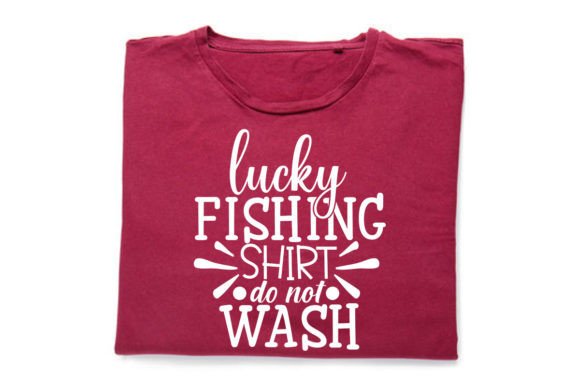
The first thing that strikes you about Lucky-Fishing-Shirt-do-not-Wash_Fishing is its playful, rustic charm. The theme immediately evokes a sense of outdoor leisure, making it an ideal candidate for custom apparel aimed at fishing enthusiasts, lake-house owners, or fathers who love a good angling joke. The layout appears balanced, combining illustrative elements with typography that suggests a casual, hand-drawn aesthetic. For an embroidery project, this visual personality is crucial. It does not try to be overly photorealistic, which is often a trap for beginners. Instead, it leans into a graphic style that translates well into stitch work, provided the digitization respects the integrity of the shapes.
When considering this as part of your design assets, note that the mood is lighthearted. It fits seamlessly into collections focused on hobbies, father’s day gifts, or summer vacation wear. However, the "do not wash" humor implies a certain ruggedness. This is not a design for high-end formal wear; it belongs on comfortable, durable fabrics that can withstand the lifestyle of its wearer.
Real-World Application: The Sweatshirt Test
To truly understand the value of this graphic, I imagined applying it to a heavyweight cotton sweatshirt, a staple in any craft business inventory. Sweatshirts provide a stable base for embroidery, allowing the stitches to sit prominently without sinking into the pile of the fabric. In this scenario, Lucky-Fishing-Shirt-do-not-Wash_Fishing would serve as a central chest piece or a larger back print. The contrast between the thread colors and the heather gray or navy fabric would be key. If the design relies on subtle shading, a satin stitch might struggle to capture the nuance on textured fleece. However, if the design utilizes bold outlines and solid fills, it will pop beautifully.
For an Etsy seller or small shop owner, this versatility is a selling point. You are not just selling a shirt; you are selling a connection to a hobby. The design’s ability to convey humor and identity makes it a strong contender for personalized gift markets. Imagine pairing this with a custom name or date below the main graphic. The modular nature of such designs allows for easy customization, increasing the perceived value of the handmade product.
Considerations for Smaller Items and Patches
While the design shines on larger garments, caution is required when scaling it down. If you intend to use this for an embroidered patch or a cap front, you must scrutinize the detail level. Tiny text and intricate line work can become a tangled mess if the stitch density is too high or if the hoop size is too small. A standard 4x4 inch hoop might cramp the design, leading to puckering or thread breaks. For caps, the curved surface adds another layer of complexity. The design must be digitized with pull compensation in mind, ensuring that the columns of satin stitch do not gap open when stitched on the curved brim.
If you are creating a tote bag design, the sturdy canvas material offers excellent support. Here, the durability of the stitch type matters. A fill stitch with proper underlay will ensure the design survives the weight of groceries or beach gear. Conversely, using this on a thin kitchen towel requires a lightweight stabilizer and potentially a simpler version of the design to prevent the fabric from distorting.
Technical Execution and File Formats
The product description indicates that you receive a variety of file types, including PNG, EPS, SVG, and DXF. It is vital to distinguish between these formats for embroidery purposes. The SVG and EPS files are vector graphics, which are excellent for resizing without loss of quality, but they are not native embroidery files. They serve as excellent references for manual digitizing or for use in printable mockup creation. The DXF file is often used for cutting machines, which opens up possibilities for applique. If you choose to create an applique design using this graphic, you can cut the fabric shapes precisely and then stitch them down, reducing the amount of thread coverage needed. This is a smart technique for large designs on garments where breathability is a concern.
However, for direct machine embroidery, you will need to ensure you have the correct stitch file format compatible with your machine (such as PES, DST, or JEF), which may require converting the vector data or purchasing the specific embroidery file separately if not included. Always check the license terms before proceeding. As a commercial embroidery professional, I cannot stress enough the importance of verifying whether the license allows for the sale of finished physical items. Most designers allow this, but restrictions on reselling the digital file itself are universal.
Fabric and Thread Choices
The success of Lucky-Fishing-Shirt-do-not-Wash_Fishing heavily depends on your material choices. For a rustic fishing theme, earthy thread colors like olive green, slate blue, and burnt orange work wonderfully. Avoid neon threads unless you are aiming for a specific high-visibility safety look. The fabric texture also plays a role. On smooth cotton, the stitches will lie flat and crisp. On textured linen or waffle knit, the threads may sink slightly, requiring a denser stitch count or a topping stabilizer to keep the design visible.
When working with dark fabrics, consider using a white or light-colored underlay to prevent the background color from showing through the stitches. This is particularly important for designs with fine details. A running stitch outline can help define edges clearly, preventing the design from looking muddy against a black or navy background.
Final Verdict for Makers and Sellers
In conclusion, Lucky-Fishing-Shirt-do-not-Wash_Fishing is a versatile graphic with strong potential for small shop product lines. Its humorous and thematic appeal makes it a natural fit for holiday embroidery projects, father’s day collections, and casual weekend wear. However, its success relies on thoughtful execution. Test the design on scrap fabric first. Check the hoop size requirements. Ensure your stabilizer matches the fabric weight. By treating this digital asset with the respect it deserves during the production phase, you can create high-quality, professional-looking items that customers will love and wear with pride.
For those looking to expand their Print Templates or Graphics library, this design offers a solid foundation. Just remember that the digital file is only the starting point. The true artistry lies in how you bring it to life through thread, fabric, and careful craftsmanship.