Review: Lettering Pet Shop Advertising Logo for Embroidery
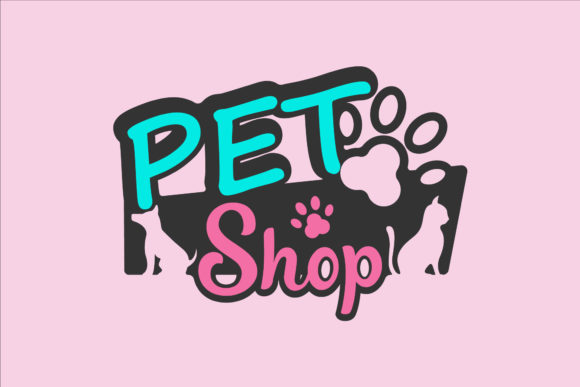
As a designer who spends half my life staring at stitch simulations and the other half troubleshooting thread breaks, I have learned to be skeptical of digital assets that look pretty on screen but fail under the needle. When I first pulled up the Lettering Pet Shop Advertising Logo, my initial reaction was one of cautious optimism. It is not just another generic clipart; it carries a specific visual personality that suggests warmth, trust, and playfulness—traits essential for any brand targeting pet owners. But does this Graphics asset translate well into a tangible embroidery project? Let’s dig into the practical realities of using this design in a real-world craft business setting.
First Impressions and Visual Personality
The mood of the Lettering Pet Shop Advertising Logo is immediately inviting. The layout balances bold lettering with organic shapes, creating a sense of approachability. For an embroidery designer, the first thing we look for is clarity. Does the design rely on tiny, fragile details that will vanish into the fabric texture? Or does it have strong, definable lines that will hold up after washing? This design leans toward the latter. The visual weight is distributed in a way that suggests it would perform well as a central focal point on a tote bag design or the chest of a sweatshirt embroidery piece.
However, because this falls under the category of Logos, there is an inherent complexity in balancing text and iconography. In digital form, vectors are crisp. In embroidery, we deal with thread buildup and fabric distortion. The non-editable text mentioned in the product description is a crucial detail. It means you cannot simply resize the font to fit a smaller hoop without potentially compromising the legibility of the accompanying graphic elements. This requires careful planning before you even thread your machine.
Real-World Application: The Custom Tote Scenario
To truly test the viability of this design, I imagined a common scenario for many Etsy sellers and small shop product creators: a custom order for a local pet groomer needing branded merchandise. The client wants durable, professional-looking custom apparel and accessories. I visualized placing the Lettering Pet Shop Advertising Logo on a heavy canvas tote bag.
In this context, the design shines. The bold nature of the lettering allows for robust fill stitch coverage, which provides excellent opacity against the textured canvas. If I were executing this, I would likely use a medium-weight cut-away stabilizer to prevent the heavy stitching from pulling the fabric out of shape. The result would be a high-value handmade product that looks professionally manufactured rather than homemade. Customers perceive embroidered logos as premium, and this design supports that perception by maintaining its integrity without looking cluttered.
Considerations for Smaller Items and Caps
While the design works well on larger surfaces, caution is needed when scaling it down. If you are considering this for an embroidered patch or a cap, you must evaluate the hoop size constraints. Curved surfaces like baseball caps distort designs, and tight curves in lettering can lead to thread bunching. Since the text is non-editable, you cannot simplify the font for smaller applications. I would advise running a test stitch-out on scrap fabric similar to your final material. Check if the smaller details merge together. If the stitch density is too high for a small area, you might need to adjust your machine settings or choose a different product application, such as a larger back-panel placement on a jacket rather than a front-cap logo.
Fabric and Thread Considerations
The success of any machine embroidery design depends heavily on the interaction between thread and fabric. For the Lettering Pet Shop Advertising Logo, contrast is key. On dark fabrics, you will need bright, high-visibility thread colors to ensure the lettering remains readable. On light fabrics, you have more flexibility, but you must ensure the underlying fabric does not show through sparse stitching areas.
Textured fabrics, such as terry cloth towels or fluffy fleece blankets, present a unique challenge. The pile of the fabric can swallow fine details. If you are creating a holiday embroidery gift or a baby embroidery item using soft materials, consider using a topping stabilizer. This keeps the stitches sitting on top of the fibers rather than sinking in. For smooth fabrics like polo shirts or aprons, the design should stitch out cleanly with standard techniques. Always remember that applique design techniques could be an alternative if you want to reduce stitch count and bulk, though this specific file is provided as a standard vector-based graphic, so you would need to manually create an applique version if desired.
Technical Workflow and File Management
One of the most important aspects of this product is the file format. The description states: “For the best result, try to open the EPS file using Adobe illustrator. Only 3 files EPS 10 100 vector , SVG, PDF, and JPG. Non-editable text. You can change vector-based designs as you wish.”
This is a critical distinction for digital embroidery file users. These are vector graphics, not native embroidery files (like PES or DST). This means you cannot simply load them into your embroidery machine. You must use digitizing software to convert these vectors into stitches. This offers immense creative control. You can adjust the satin stitch width, modify the running stitch outlines, and optimize the pathing to minimize jumps. However, it also requires skill. If you are not a digitizer, you will need to hire one or use auto-digitizing features with caution. Auto-digitizing often creates excessive stitch counts and poor underlay, which can ruin the look of the finished product.
Since the text is non-editable in the vector file, you are locked into the provided typography. This ensures brand consistency but limits customization. If a client asks for a different font, you cannot accommodate it with this specific asset. You must communicate this limitation clearly to avoid revisions later.
Commercial Viability and Brand Trust
For commercial embroidery projects, professionalism is paramount. A sloppy logo damages brand trust. The Lettering Pet Shop Advertising Logo has a clean structure that, when properly digitized, conveys reliability. Using this design on personalized gift items or boutique merchandise can elevate the perceived value of your work. It fits naturally into the aesthetic of modern pet boutiques, veterinary clinics, and animal shelters.
When creating printable mockup images for your online store, ensure you represent the texture of the embroidery accurately. Buyers need to see the sheen of the thread and the dimension of the stitches. A flat digital image of the vector does not sell the tactile quality of the final item. Use high-quality photos of your test stitches to build customer confidence.
Final Designer Notes
Before committing to a large production run, always follow these steps:
- Test on Scrap Fabric: Never skip this. Check for puckering and registration issues.
- Check Thread Contrast: Ensure the design is readable on both light and dark backgrounds.
- Verify Licensing: Confirm whether the license allows for unlimited commercial sales of finished physical items. The description mentions you can change vector-based designs, but always double-check the specific terms for resale.
- Inspect Small Details: Zoom in on the vector file. Are there anchor points that might cause weird stitch angles? Clean up the vector path if necessary before digitizing.
- Consider the End Use: Will this item be washed frequently? If so, ensure your stitch density and underlay are sufficient to withstand laundering without fraying.
In conclusion, the Lettering Pet Shop Advertising Logo is a strong candidate for craft business owners who understand the digitizing process. It offers a professional, friendly aesthetic that resonates with pet lovers. While it requires technical conversion from vector to stitch, the result can be a high-quality, durable, and visually appealing addition to your product line. Whether you are making nursery decor, wedding gifts for pet-loving couples, or standard retail merchandise, this design holds up well under scrutiny, provided you respect the limitations of the medium and the material.